
Complete roofing systems · Written workmanship coverage
When a roof has reached the end of its life or taken significant storm damage, repair stops being the sensible option. Roofing Giant replaces residential roofs across Dallas–Fort Worth through qualified roofing crews managed to Roofing Giant project standards, and every project starts the same way: we inspect the roof and show you what we found, so the decision to replace is based on evidence rather than a sales pitch.
Last reviewed: October 4, 2026. Current project data, service language and supporting references were checked against Roofing Giant’s public records and current resource pages.
When replacement makes more sense than repair
A roof can usually be repaired if the damage is limited: a small leak, a few broken or missing shingles, or a leak around a plumbing penetration. Replacement becomes the better answer when the damage is widespread rather than isolated.
- Significant hail or wind damage across the roof rather than in one area
- Shingles shedding granules over large sections, leaving the fiberglass exposed
- Repeated or spreading leaks, or staining across several ceilings
- A roof at the end of its service life, where repairs no longer hold
- Severe storm damage, which in Dallas–Fort Worth can mean rebuilding rather than replacing
| Situation | Usual answer |
|---|---|
| One leak, isolated damage, roof under 15 years old | Repair |
| Widespread hail bruising or wind creasing after a storm | Replacement may be appropriate; if you are considering a claim, review the insurance claim process. Coverage depends on the policy and insurer. |
| Granule loss across large sections, fiberglass showing | Replace |
| Several leaks or repeated repairs in different places | Replace |
| Roof at the end of its rated life, even without leaks | Plan a replacement |
It starts with an inspection
Every replacement begins with a free 30-point inspection. A Roofing Giant specialist walks the roof, checks the attic, documents everything with photographs and gives you a written report you can keep or forward to your insurer. If the roof can be repaired, we will say so.
Roofing systems we install
Every system is installed complete: new decking where needed, ice and water shield, synthetic underlayment, drip edge, flashing, starter, field material, ridge and balanced ventilation. Choose the material for your home, your HOA and how long you plan to stay.
Explore every part of your roof
Click or tap the roof itself to explore each component.
Rafters and roof decking
The structural base beneath every roof layer
What it does
Rafters support the roof. Plywood or OSB decking provides the surface that the roofing layers are attached to.
Why the detail matters
Soft, rotten or delaminated decking needs attention before new roofing is installed.
Component 2 of 10Ice & water barrier
At eaves, valleys and roof penetrations
What it does
This self-adhering membrane adds protection where water tends to collect. It sits beneath the shingles and seals around fasteners.
Why the detail matters
Coverage at vulnerable areas matters. Missing or damaged membrane leaves those details less protected.
Component 3 of 10Synthetic underlayment
Across the roof deck, beneath the shingles
What it does
Underlayment is a secondary water-shedding layer between the decking and the roof covering.
Why the detail matters
Tears, gaps and poorly lapped seams can interrupt this layer of protection.
Component 4 of 10Starter strip + architectural shingles
Along the eaves and rakes, then across the roof slopes
What it does
The starter course helps secure the first row. Architectural shingles overlap to form the main roof covering and shed rain down the slope.
Why the detail matters
Correct fastening and sealed shingle edges help the covering resist wind. Lifted or missing shingles deserve a closer look.
Component 5 of 10Ridge vent and ridge cap
At the highest point of the roof
What it does
The ridge vent provides an exhaust path from the attic. Cap shingles cover the ridge detail while preserving the vent opening.
Why the detail matters
Exhaust works with intake at the soffit (10). Both need a clear airflow path.
Component 6 of 10Step and counter flashing
Where a roof meets a wall or chimney
What it does
Flashing directs water away from roof-to-wall joints. Step flashing works with the shingle courses, while counter flashing protects the upper edge at a chimney.
Why the detail matters
Loose, missing or poorly fitted flashing can let water into these joints.
Component 7 of 10Pipe boot flashing
Around pipes that pass through the roof
What it does
The flashing base and fitted boot seal the joint where a vent pipe passes through the roof covering.
Why the detail matters
Cracked seals, loose boots and damaged flashing can become entry points for water.
Component 8 of 10Drip edge
Along the roof edges at the eaves and rakes
What it does
This metal edge directs runoff away from the fascia and toward the gutter at the eave.
Why the detail matters
Missing, bent or poorly positioned edges can let water run behind the gutter or onto the fascia.
Component 9 of 10Seamless gutter
Along the lower roof edge
What it does
Gutters collect runoff from the roof and guide it toward the downspouts, which carry water away from the home.
Why the detail matters
Debris, standing water, loose sections and leaking joints can interrupt drainage.
Component 10 of 10Vented soffit (intake)
Under the roof overhang
What it does
Soffit vents provide an intake path for outside air. That air moves through the attic toward exhaust vents near the ridge (5).
Why the detail matters
Insulation, paint or debris can block the intake openings and restrict airflow.
Compare the options
| System | DFW installed price per square | Service life | Best for |
|---|---|---|---|
| 3-tab shingles | $350–500 | 15–20 years | Budget re-roofs and rental property |
| Architectural shingles | $400–550 | 22–30 years | Most DFW homes; widest color range |
| Impact-resistant (Class 4) | $450–675 | 25–35 years | Hail corridors; insurance discounts |
| Metal panels (exposed fastener) | $450–800 | 25–40 years | Barns, workshops, farmhouses |
| Standing seam metal | $900–1,400 | 40–70 years | Long-term ownership; modern and ranch styles |
| Concrete or clay tile | $900–2,200 | 40–75 years | Mediterranean and Spanish elevations |
| Synthetic slate or shake | $900–1,500 | 40–50 years | Slate or cedar look without the weight |
Run your own numbers with the roof cost calculator or get a measured price in a minute from the instant estimate.
How a replacement day runs
Inspection and written estimate
Photos, measurements and a line-item price with product and color samples.
Material delivery
Shingles and components arrive the morning of installation and are checked against the order.
Tear-off and deck inspection
Old layers come off, damaged decking is replaced and photographed, the property and pool are protected.
Dry-in and installation
Ice and water shield, underlayment, drip edge, flashing, shingles, ridge and ventilation, usually in one day.
Final walk and warranty
Magnetic nail sweep, debris hauled away, a point-by-point inspection with you, then your written warranty.
Storm damage and insurance
If the roof is being replaced because of a storm, photograph the damage. Those pictures are useful evidence when the claim is assessed. We document everything we find during the inspection, meet your adjuster on site, write the estimate in the same Xactimate software carriers use, and walk with you through the six-step insurance restoration process from the first inspection to the final check. Your financial responsibility depends on the policy, deductible, covered scope, depreciation, code or upgrade items and any work outside the insurer-approved scope. The insurer determines coverage and payment. Use the deductible calculator only as a planning tool, then review the actual claim documents.
Why homeowners choose Roofing Giant
Golden Hammer award
Recognised by the North Texas Roofing Contractors Association for excellence in residential projects.
Manufacturer credentials
Roofing Giant has a current Owens Corning Preferred contractor profile, and company records identify current GAF, Malarkey and CertainTeed credentials. Enhanced manufacturer warranty eligibility depends on the selected product and complete system; current program requirements are confirmed for the specific project before they are represented. Verify current credentials →
Managed roofing crews
Roofing Giant manages qualified roofing crews to our project, installation and cleanup standards.
Written workmanship warranty
Roofing Giant workmanship coverage is stated in the signed project agreement. Manufacturer material and enhanced system warranties depend on the selected products and current eligibility. Review warranty guidance.
Insured
Roofing Giant carries a minimum $2 million general liability policy. See Credentials & Verification for current company information.
Financing available
Pay over time through our lending partners with approved credit. Financing options
Recent replacements
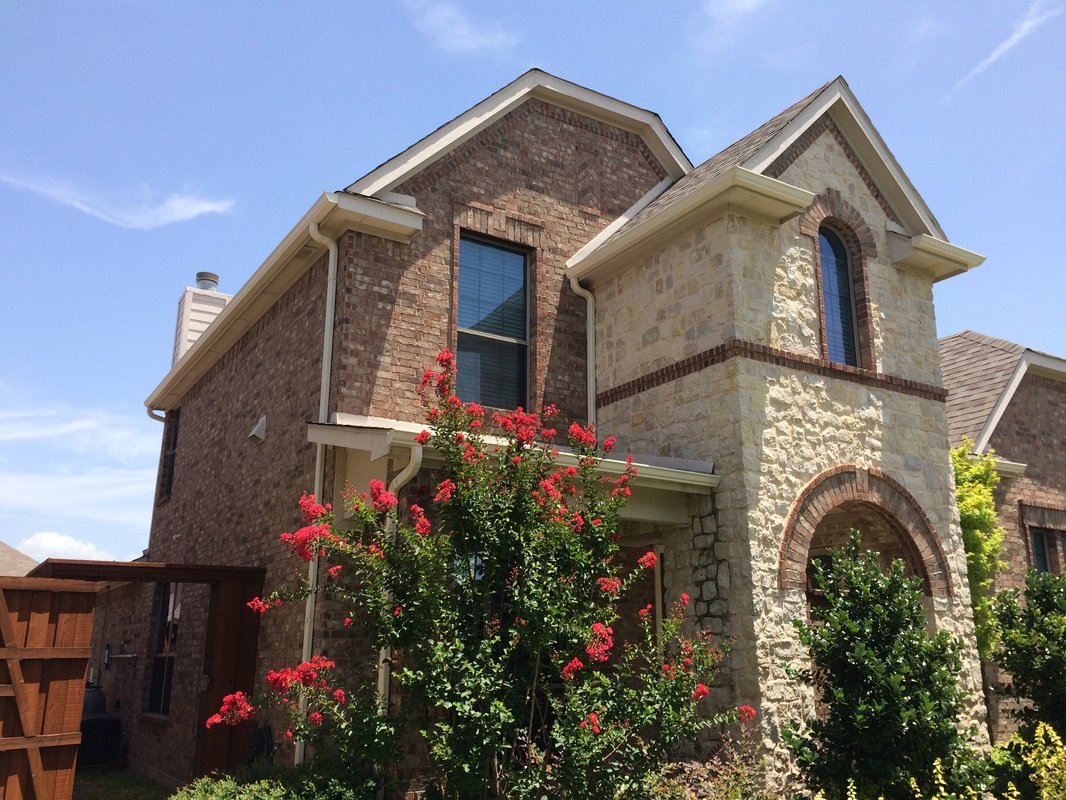
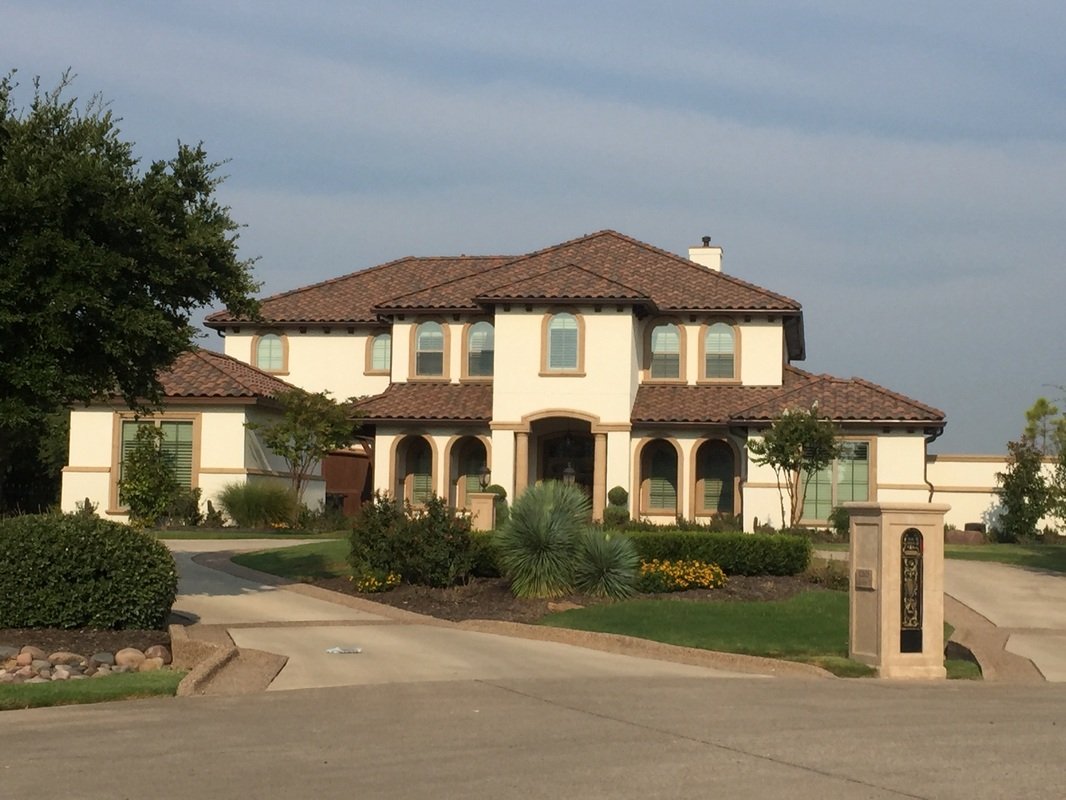
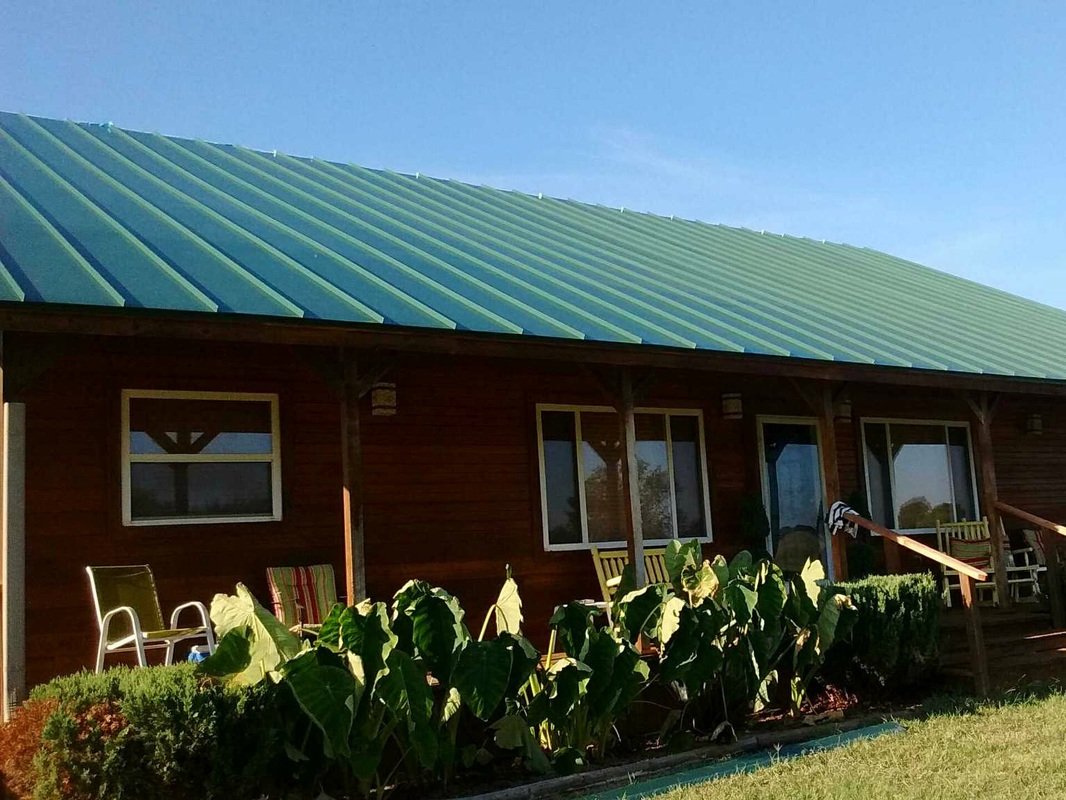
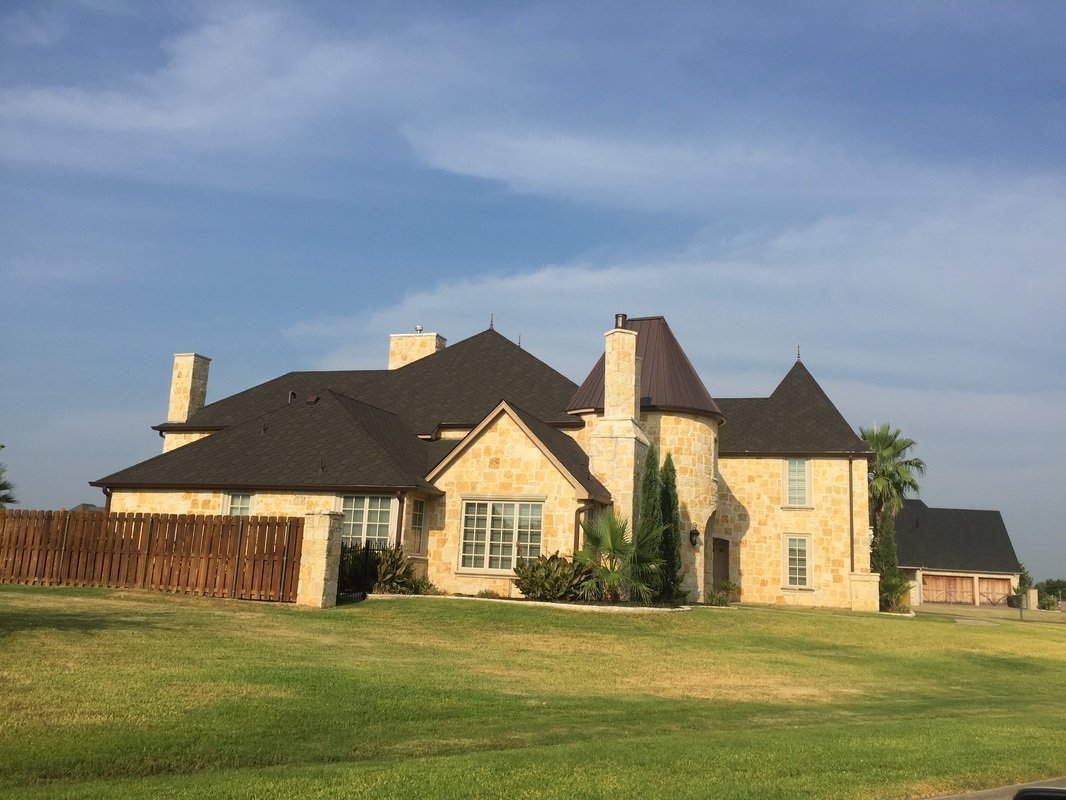
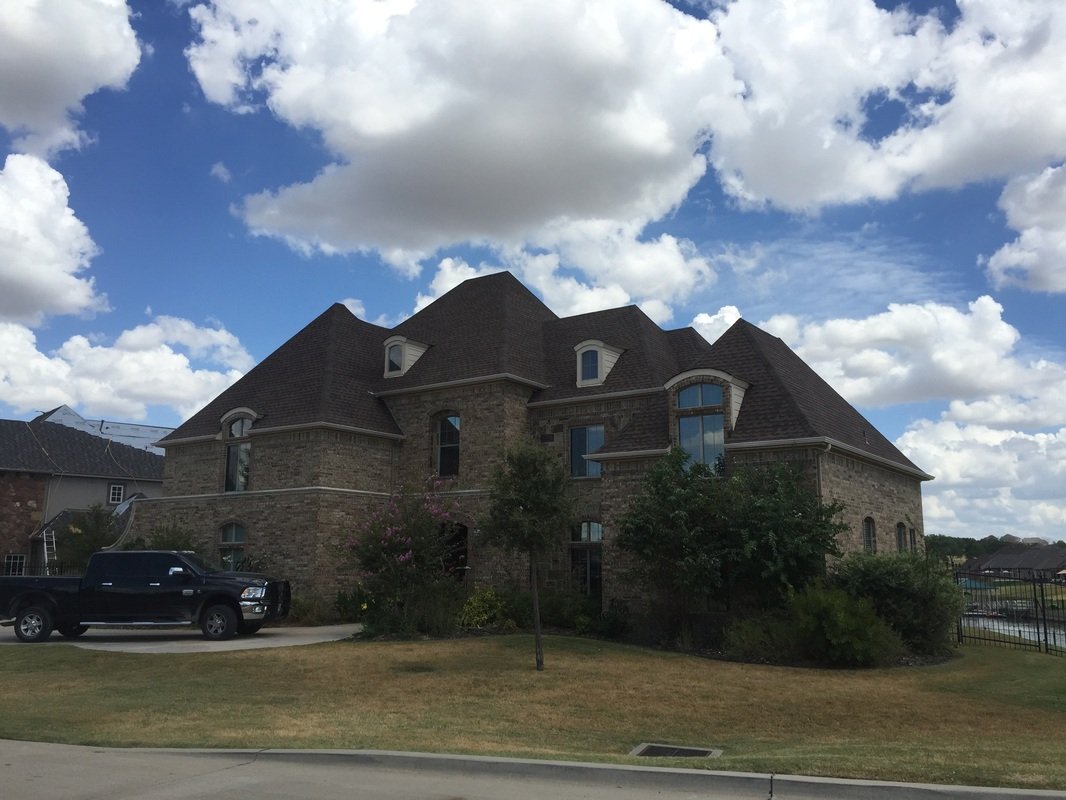
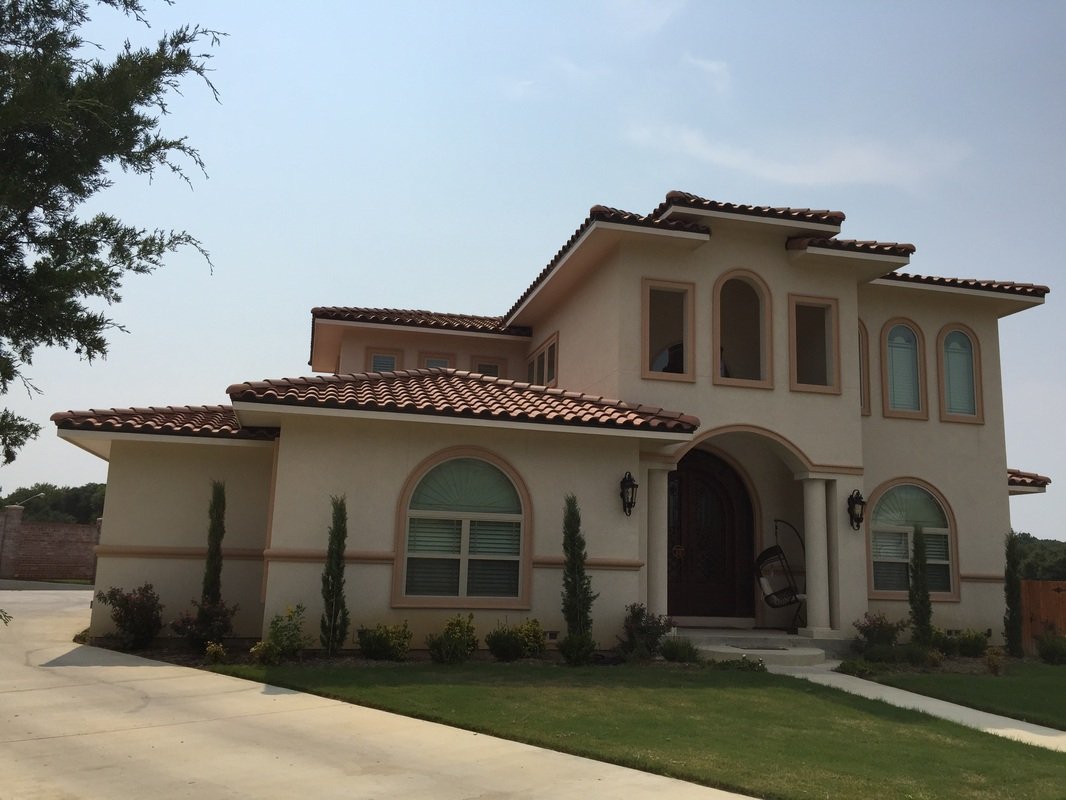
Plan a Dallas roof replacement
Questions we hear most
How long does a roof replacement take?
Many typical DFW asphalt-shingle replacements can be completed in one day. Larger, steeper, more complex, tile or specialty roofs can take longer. See the full schedule.
Do you tear off the old roof or roof over it?
Roofing Giant’s standard replacement scope is tear-off to the deck so the existing decking can be inspected and the underlayment renewed. Local code and manufacturer warranty requirements vary by project, so we confirm the applicable requirements before installation.
What does a new roof cost in DFW?
Architectural shingles run about $400 to $550 per square installed before decking repairs or steep-pitch adders. The cost calculator gives a range for your home.
Will you handle the permit and HOA paperwork?
Where a permit, inspection or HOA submittal is required, Roofing Giant confirms the applicable requirements and coordinates the roofing-related paperwork, product data and color information for the project.
What warranty comes with the roof?
Your signed project agreement states the Roofing Giant workmanship coverage for your project. Manufacturer material and enhanced system warranty eligibility depends on the selected product, complete system and current program requirements. We confirm the applicable warranty in writing for each project. See our roofing warranty guide and current credentials page.
Plan the scope and coverage
Continue through the DFW roofing knowledge center
Not sure whether to repair or replace?
Book a free inspection. We document the roof, show you the photographs and give you an honest answer either way.
Completed roof-replacement evidence
Representative Roofing Giant case studies with roof replacement explicitly documented in the public project record.
Roof replacement across DFW
Explore local Roofing Giant service information and first-party project evidence in the DFW markets with the largest supported project clusters.
Documented Roofing Giant replacement projects
See first-party Roofing Giant project records that support the replacement guidance on this page.
Compare before you replace
Use the DFW Roofing Comparison Center to compare repair vs. replacement, shingle classes, metal vs. shingles and other system choices before finalizing a replacement scope.
Still deciding? Use the DFW Roof Decision Center to step through repair, replacement, storm, insurance-documentation and cost questions before committing to a full replacement.
Current DFW replacement research
For source-first local research that can affect replacement planning, use Roofing Giant’s DFW Roofing Field Reports, including: