
← Compare commercial roofing systems
Low-slope roofing · Dallas–Fort Worth
For a restaurant, industrial building or busy commercial property, the roof has to match what happens below it. PVC offers heat-welded seams and membrane options designed for demanding exposures. Start with the building, then choose the complete system.
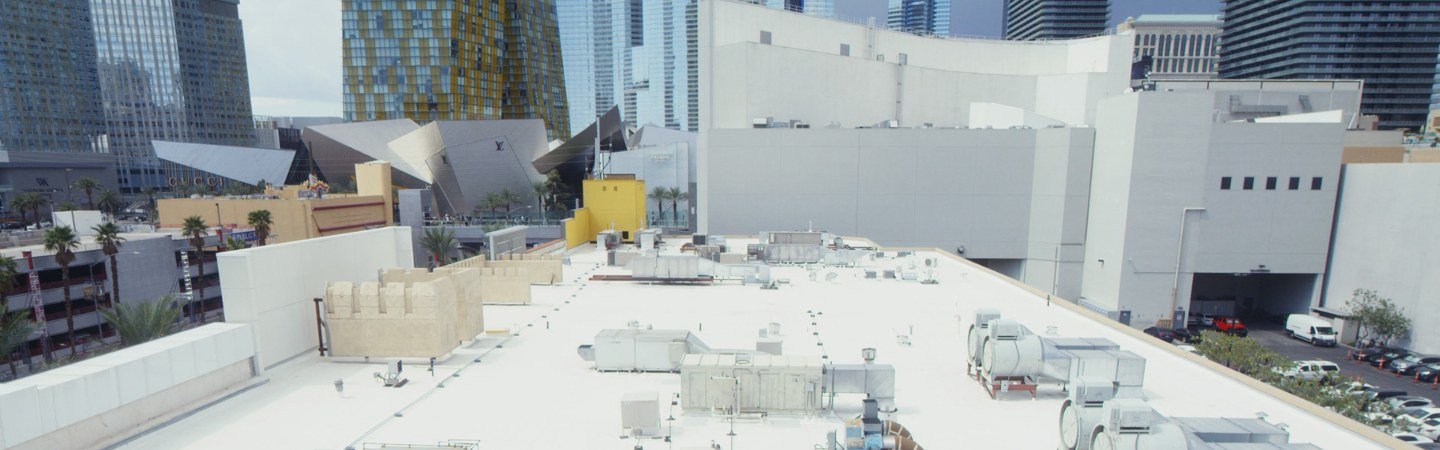
- Typical application
- Restaurants, industrial facilities and other suitable low-slope buildings
- Appearance
- Single-ply membrane with reflective color options
- Key decision
- Match the exact membrane to rooftop exhaust, chemicals and building use.
Understanding PVC roofing
PVC stands for polyvinyl chloride. Reinforced sheets form a single-ply roof, with adjacent sheets joined by hot-air welding. Manufacturers offer different formulations, backings and attachment methods, including products modified with KEE polymer.
Chemical resistance is a reason to consider PVC, but it must be checked for the actual exposure. Give the roofing team details of kitchen exhausts, manufacturing processes and rooftop spills. Product compatibility and warranty coverage need separate confirmation; a general claim of chemical resistance is not a blanket guarantee.
Why consider it
What this option offers
- Welded seams connect the membrane sheets and compatible flashing details.
- Options suited to buildings where chemical exposure is a selection factor.
- Reflective surfaces and different assembly options for suitable low-slope roofs.
Before you choose
Tradeoffs to discuss
- Compatibility depends on the product, contaminant and conditions of exposure.
- The membrane needs appropriate separation from incompatible existing materials.
- Service traffic, penetrations and perimeter details require protection and careful workmanship.
What affects the installed cost?
The membrane is only part of the proposal. Ask for separate allowances for removal, wet insulation, deck repairs, cover board, tapered insulation and difficult equipment details. Access, occupied-building requirements and the selected attachment method also affect labor. Compare proposals using the same roof area and assembly scope.
Start with a measured roof survey and an itemized estimate for your property. Keep the proposed materials, repair allowances and warranty scope consistent when comparing bids.
Use our commercial roof cost planning tool →Product options and specifications
Johns Manville PVC SD Plus and PVC with Elvaloy KEE are examples to discuss. Record the product name, thickness, backing, insulation, attachment and compatible accessories in the proposal. Review the current manufacturer data and warranty terms for your building before selecting a system.
From survey to scope
Plan the work around your building
Document rooftop exposure
Share exhaust locations, maintenance procedures and known spills so compatibility can be reviewed before the membrane is specified.
Review the details
Discuss drains, wall transitions, equipment curbs, access paths and the treatment of existing roofing materials.
Agree on the finished scope
Request the inspection process, seam checks, warranty documents and a maintenance plan in writing.
Bring previous roof specifications, leak photos and warranty documents to the inspection. Let us know about operating hours and areas that need uninterrupted access so the proposal can account for the building’s daily use.
Maintenance and repair planning
Inspect seams, drains, perimeter flashings and equipment curbs, especially after storms or service work. Use the membrane manufacturer’s repair and cleaning instructions. Report spills and persistent exhaust deposits promptly, and keep records of inspections and repairs.
Keep inspection and repair records with the product information and warranty. Review our roofing warranty guide and arrange a roof inspection when conditions change.
Questions before you choose
Is PVC roofing a good option for a restaurant?
It can be worth evaluating where rooftop kitchen exhaust is a concern. The exact membrane, exposure and grease-control arrangements need review. Confirm chemical compatibility and warranty exclusions with the manufacturer.
How is PVC different from TPO?
Both are thermoplastic single-ply systems with heat-welded seams. Their formulations and product-specific resistance differ. Compare the actual proposed assemblies, rooftop exposure and written warranty terms.
Can PVC be installed over an existing roof?
A recover requires a roof survey, moisture evaluation and a compatible approved assembly. Existing roof layers, structural condition and applicable requirements determine whether it is feasible.
Does a white PVC roof guarantee energy savings?
Reflectivity can reduce solar heat absorption. Utility results depend on the building, insulation, HVAC operation and climate, so a particular saving should not be assumed.
Compare your options
Related commercial roofing systems
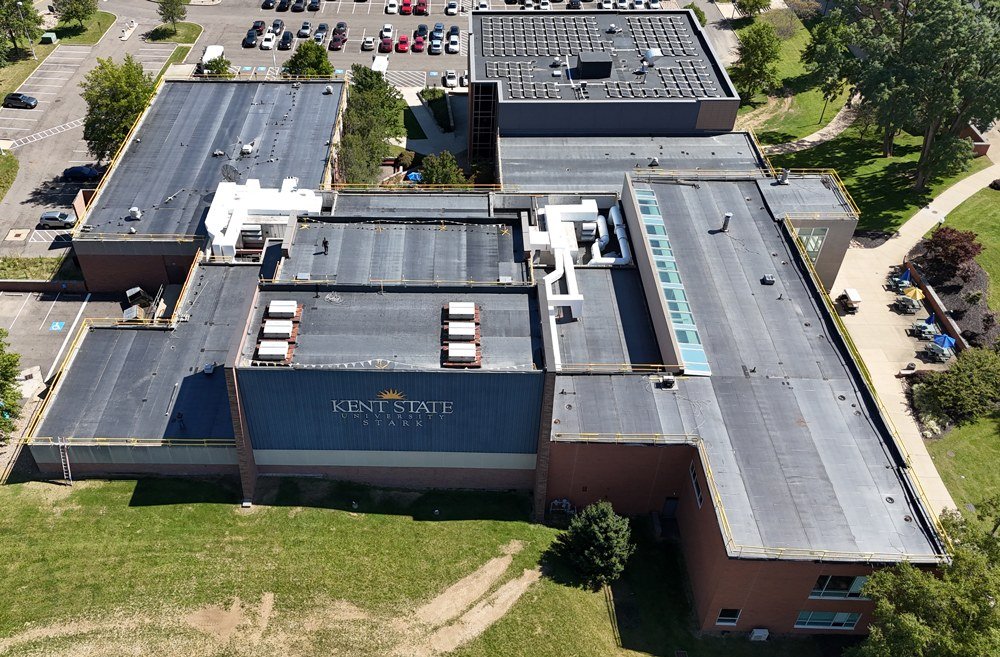
EPDM roofing
Commercial buildings and other compatible low-slope roof areas
Explore this system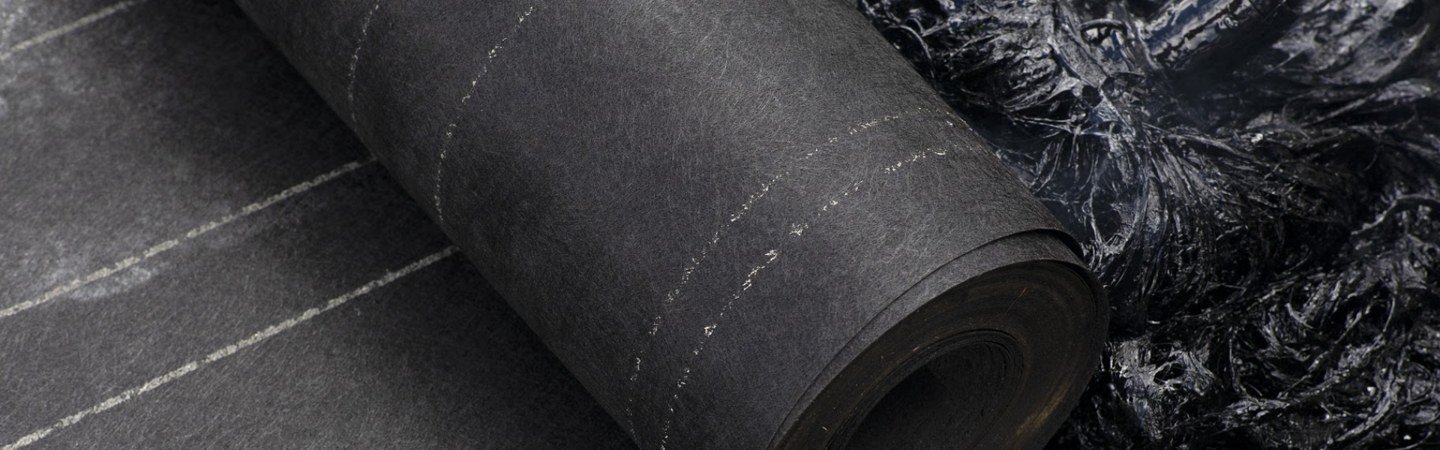
Built-up roofing (BUR)
Commercial low-slope decks suited to a multi-ply assembly
Explore this system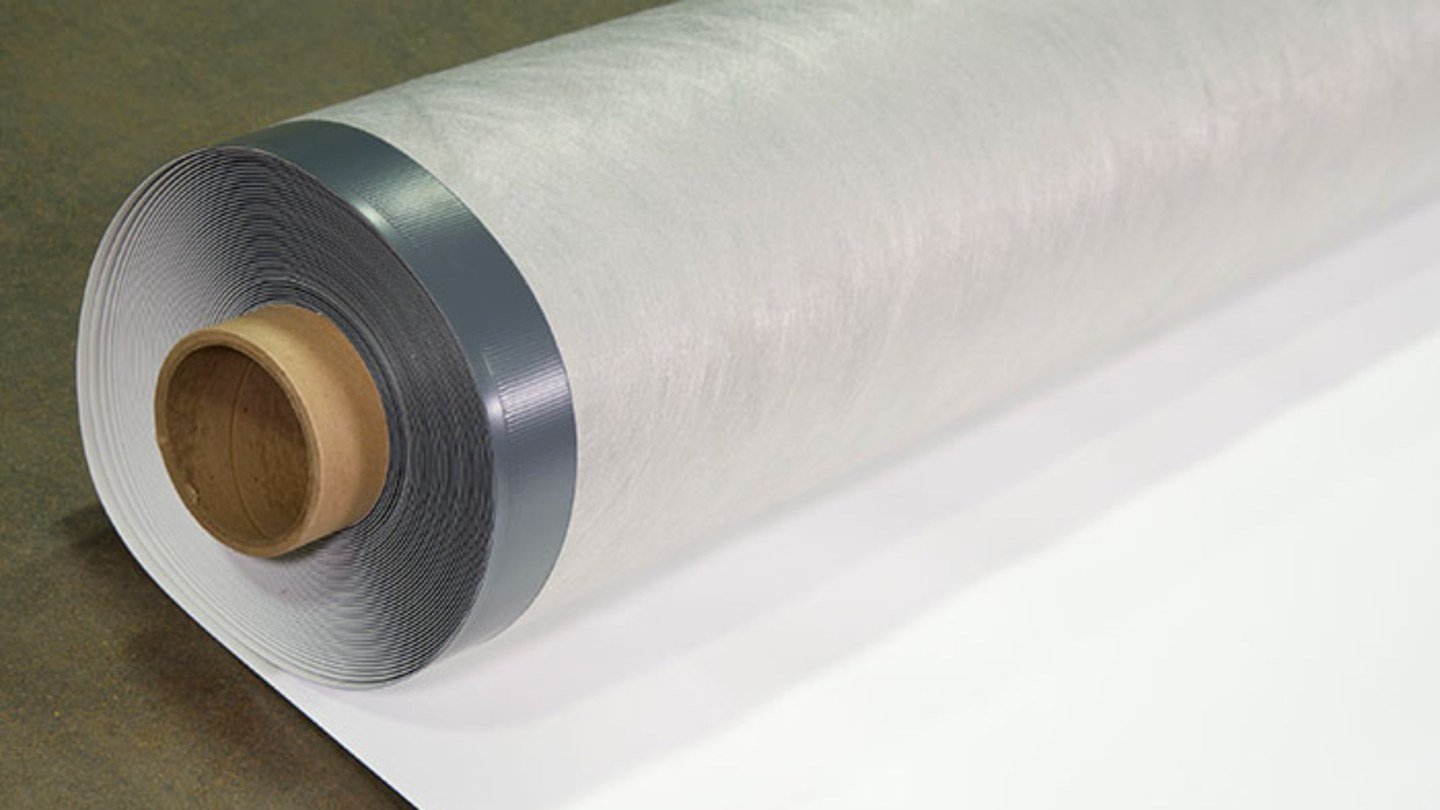
KEE Elvaloy & coatings
Specified membrane assemblies or suitable existing roofs for restoration
Explore this systemAlso compare TPO roofing and modified bitumen roofing, or return to commercial roofing services.
Find the right system for your commercial roof
Start with a free roof inspection in Dallas–Fort Worth. Review the roof’s condition, compare suitable systems and request a written scope for your building.