
Roofing Giant · Guide
Manufacturer warranties and real service life are different things. This guide gives realistic Dallas–Fort Worth lifespans for every common roofing material, explains what shortens them, and helps you decide when replacement beats another repair.
Material by material
| Material | DFW service life | Strengths | Watch for |
|---|---|---|---|
| 3-tab asphalt shingles | 15–20 years | Lowest cost | Wind loss, early granule shedding, no longer common on new roofs |
| Architectural shingles | 22–30 years | Best value, wide color range, 110–130 mph wind ratings | Attic heat and hail shorten life |
| Impact-resistant (Class 4) | 25–35 years | Hail resistance, insurance discounts | Higher cost; still document hail hits |
| Metal panels (exposed fastener) | 25–40 years | Durable, affordable metal option | Fastener gaskets need replacement around year 15 |
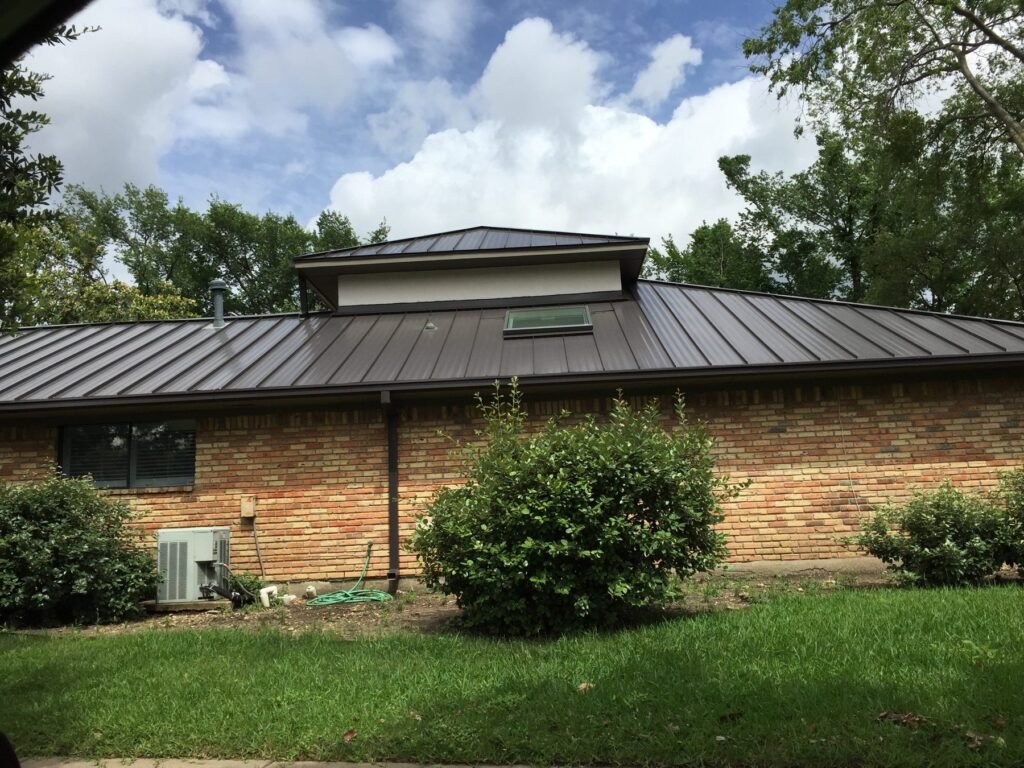
| Standing seam metal | 40–60 years | Concealed fasteners, energy reflective | Higher upfront cost, oil-canning if under-designed |
| Concrete or clay tile | 40–75 years | Very long life, fire resistant | Underlayment fails before tile; heavy, requires structure check |
| Natural slate | 60–100+ years | Longest life, historic look | Specialist repair, weight, cost |
| Wood shake | 20–30 years | Appearance | Fire, insurance availability, maintenance |
| TPO / modified bitumen (low slope) | 18–28 years | Best for flat commercial and patio roofs | Seams and ponding water |
Why Texas roofs age faster
A shingle rated for 30 years in a mild climate spends its Texas summers at 150°F or more on the surface. Thermal cycling breaks down the asphalt, ultraviolet exposure dries it out, and every hailstorm knocks off the granules that were protecting it. Add an attic without proper intake and exhaust ventilation and the shingle is cooking from both sides.
The practical rule for DFW: plan on the low end of every range unless the roof has balanced ventilation, has not taken a significant hail hit, and was installed as a complete system by a certified contractor.
Repair or replace?
- Repair when the roof is inside its expected life, the damage is localized (a few shingles, a pipe boot, a flashing joint) and matching shingles are available.
- Replace when the roof is at or past the low end of its range, damage covers multiple slopes, repairs are recurring, or a hail claim is approved.
- Upgrade to Class 4 shingles or standing seam metal when replacing in a hail corridor; the premium is often recovered through insurance discounts and a longer life.
Estimate your own roof’s remaining life with the lifespan estimator, then price options with the cost calculator.
Get a clear next step for your roof.
Schedule a free, no-obligation inspection. You get photos, a written report and an honest recommendation: repair, replace, or leave it alone.