
← Compare all roofing materials
Tile & composite · Dallas–Fort Worth
Concrete tile gives a roof a defined profile and substantial architectural presence. Before choosing the color and shape, establish whether the structure and roof assembly are suited to the selected tile.
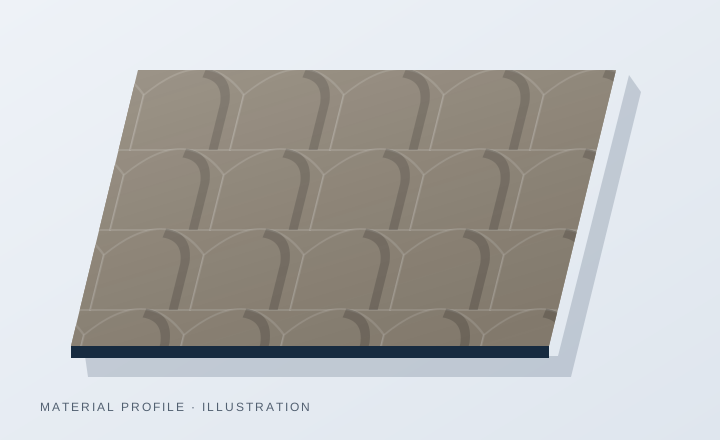
- Typical application
- Pitched roofs with suitable structural support
- Appearance
- Flat or contoured tile profiles
- Key decision
- Assess roof weight, underlayment and flashing as part of one complete system.
Understanding concrete tile
Concrete roof tiles are manufactured units available in different profiles and finishes. They are distinct from fired clay tiles, stone-coated steel and synthetic tile. Those products can share a similar silhouette while having very different weights, accessories and installation requirements.
On a DFW replacement, the visible tile is only one part of the inspection. Underlayment, valleys, roof-to-wall flashings and penetrations need evaluation. An existing tile roof can require work beneath tiles that still look serviceable, while a change from shingles to tile can require a structural review.
Why consider it
What this option offers
- A range of profiles for traditional and contemporary architecture.
- Individual roof units allow a contractor to assess localized tile damage.
- A separate material option for owners comparing tile designs and finishes.
Before you choose
Tradeoffs to discuss
- The building must be able to support the specified roof assembly.
- Tiles can crack from impacts or improper access; walking on them requires care.
- Replacement tiles may be difficult to match when a profile or color is discontinued.
What affects the installed cost?
Structural evaluation, any required strengthening, tear-off, underlayment, flashings and tile accessories can all affect price. Ask whether the proposal replaces all tiles or reuses suitable existing units, and how breakage and unavailable matching tiles will be handled. A tile-only price is not a complete replacement budget.
Ask for a written, itemized estimate for your property. A material price, warranty term or online planning range does not describe the complete installed roof.
Use our roof cost planning tool →Product options and samples
Westlake Royal’s concrete and clay tile literature is a useful visual starting point. Select a currently available concrete product and verify its weight, fastening details, minimum slope and compatible accessories. Compare the proposed assembly with your building’s existing conditions.
Bring your preferred style to the inspection. We can review the roof conditions and discuss available options, with the selected materials and installation scope recorded in your proposal.
Maintenance and repair planning
Keep debris away from valleys and drainage outlets. Have cracked or displaced tiles and roof penetrations assessed by a contractor familiar with the selected system. A leak investigation should consider the underlying waterproofing and flashing, not only the tile directly above a stain.
Keep the roof specifications, product information and warranty paperwork together. If a problem develops, start with a roof inspection and a clear repair scope.
See our documented Roofing Giant projects to learn how we approach inspections, roof preparation and installation. During your consultation, ask about examples relevant to the material you are considering.
Questions before you choose
Can concrete tile replace asphalt shingles?
Possibly, but the structure must be evaluated for the selected assembly. Do not assume the existing framing is suitable merely because the roof is pitched.
Can existing concrete tiles be reused?
Sometimes. Condition, availability, attachment requirements and the work beneath the tiles determine whether reuse is practical.
Does replacing a broken tile always fix a leak?
No. The cause may involve underlayment, flashing or a penetration. A proper inspection identifies the water-entry path.
Compare your options
Related roofing materials
Find the right roofing option for your property
Start with a free roof inspection in Dallas–Fort Worth. Discuss materials, review the roof conditions and receive a written estimate.