
← Compare commercial roofing systems
Low-slope roofing · Dallas–Fort Worth
Built-up roofing creates a waterproofing assembly from multiple layers. For a warehouse, office building or other low-slope property, it is worth comparing the roof’s structure, surfacing and installation requirements alongside the redundancy those layers provide.
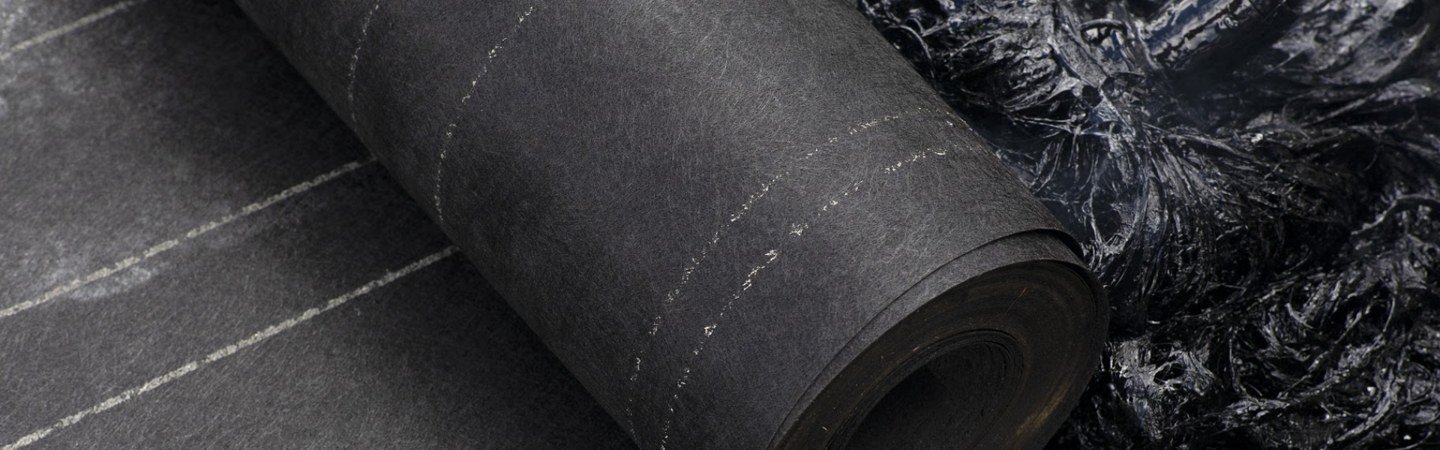
- Typical application
- Commercial low-slope decks suited to a multi-ply assembly
- Appearance
- Surfacing may include aggregate or a specified cap sheet
- Key decision
- Confirm structural capacity, surfacing and the installation approach.
Understanding Built-up roofing (BUR)
BUR is short for built-up roofing. The waterproofing layer is assembled on the roof using bitumen and reinforcing plies. The number of plies, base sheet, insulation, flashing and protective surfacing are part of the specification.
A built-up roof is often associated with gravel surfacing, but aggregate is not the only finish. Approved cap sheets and other specified surfacing can be used. The choice affects maintenance access, inspection, appearance and the complete assembly’s performance.
Why consider it
What this option offers
- Multiple reinforcing plies provide redundancy within the waterproofing assembly.
- Different specified surfacing and assembly options can suit different projects.
- An established system with manufacturer details for the roof field and transitions.
Before you choose
Tradeoffs to discuss
- Roof weight and any aggregate loading need to be evaluated for the building.
- Installation logistics can affect occupied spaces, equipment and roof access.
- Leaks beneath surfacing may take investigation to locate accurately.
What affects the installed cost?
The number of plies, surfacing, insulation and attachment all influence the installed price. Removal of existing layers or aggregate, deck repairs, access for materials and work around equipment can add substantial labor. Ask how occupied areas will be protected and how the work will be staged.
Start with a measured roof survey and an itemized estimate for your property. Keep the proposed materials, repair allowances and warranty scope consistent when comparing bids.
Use our commercial roof cost planning tool →Product options and specifications
Johns Manville BUR systems include reinforcing felts, base sheets, cap sheets, insulation and compatible accessories. Compare a documented manufacturer assembly rather than a generic ply count. Clarify the surfacing, application method, flashing details and inspection requirements in the proposal.
From survey to scope
Plan the work around your building
Confirm the deck and load
Review the roof structure, existing layers and proposed assembly weight before selecting the surfacing.
Coordinate the installation
Discuss building occupancy, air intakes, material delivery, access and the daily work sequence.
Review drainage and transitions
Include drains, wall flashings, expansion joints and equipment curbs in the scope, with a clear final inspection process.
Bring previous roof specifications, leak photos and warranty documents to the inspection. Let us know about operating hours and areas that need uninterrupted access so the proposal can account for the building’s daily use.
Maintenance and repair planning
Inspect drainage, flashings and the condition of the surfacing. Have loose or displaced aggregate, exposed plies and recurring leak areas evaluated. Moisture investigation can help define the repair boundary. Repairs should use a compatible system and address the condition beneath the visible surface.
Keep inspection and repair records with the product information and warranty. Review our roofing warranty guide and arrange a roof inspection when conditions change.
Questions before you choose
Is every built-up roof covered with gravel?
No. Aggregate surfacing is familiar, but manufacturer assemblies may use a cap sheet or other approved finish. The exact specification determines the surfacing.
How does BUR differ from modified bitumen?
BUR is built from reinforcing plies and bitumen on the roof. Modified bitumen uses factory-made reinforced asphalt sheets with polymer modifiers. Some assemblies combine components; review the actual specification.
Does adding more plies always make a better roof?
Ply count alone is not a complete measure. The deck, insulation, attachment, flashing, drainage and workmanship need to be evaluated together.
Can an older built-up roof be restored with a coating?
Possibly, after confirming the roof is a suitable substrate. Moisture, adhesion, surfacing and existing damage must be evaluated. Wet or failed components need repair or replacement before an approved restoration system is considered.
Compare your options
Related commercial roofing systems
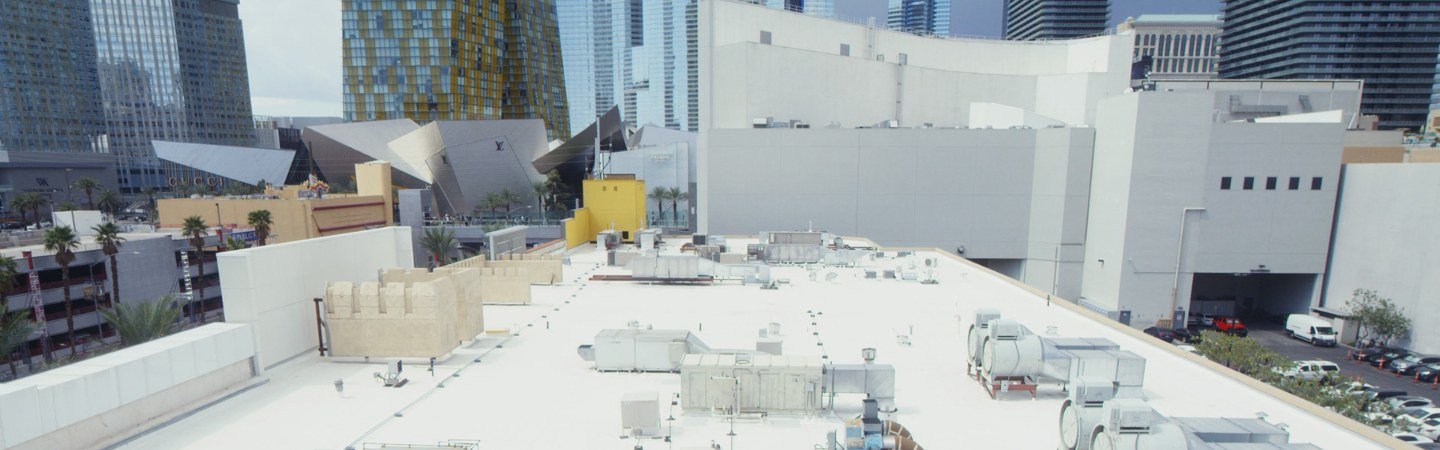
PVC roofing
Restaurants, industrial facilities and other suitable low-slope buildings
Explore this system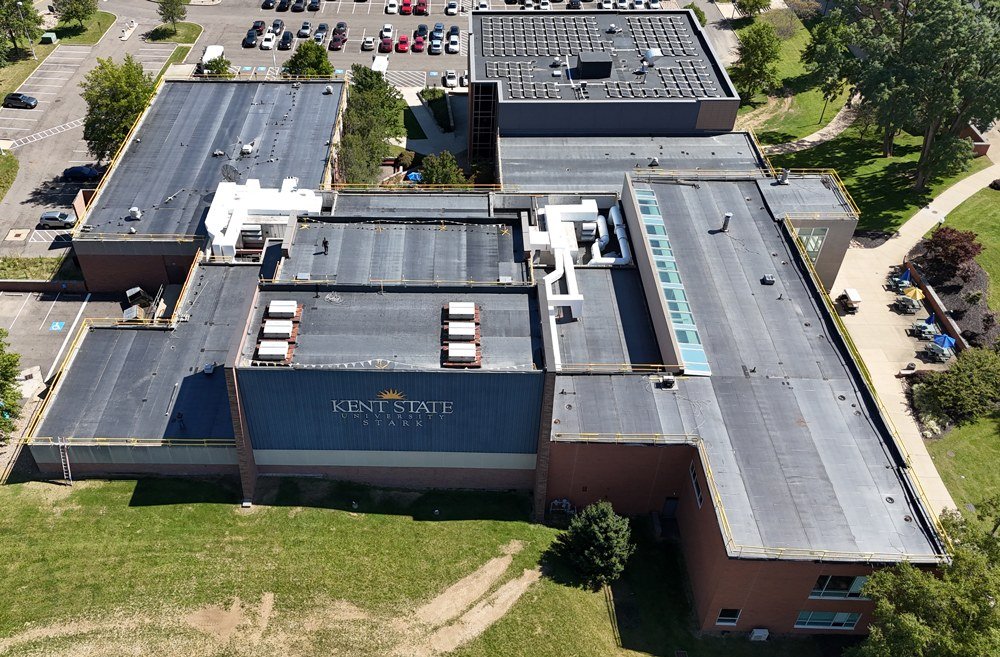
EPDM roofing
Commercial buildings and other compatible low-slope roof areas
Explore this system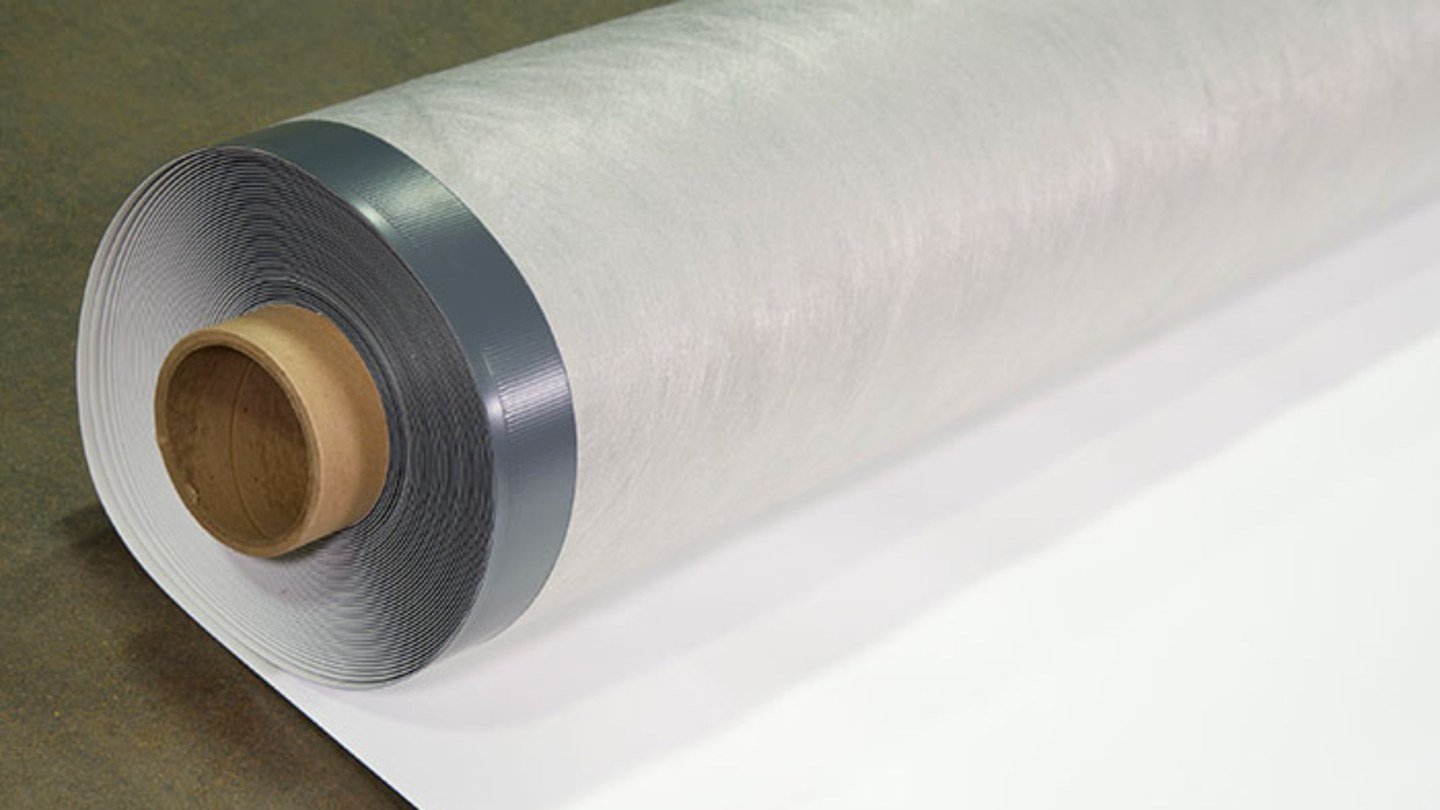
KEE Elvaloy & coatings
Specified membrane assemblies or suitable existing roofs for restoration
Explore this systemAlso compare TPO roofing and modified bitumen roofing, or return to commercial roofing services.
Find the right system for your commercial roof
Start with a free roof inspection in Dallas–Fort Worth. Review the roof’s condition, compare suitable systems and request a written scope for your building.