
Installation requirements
The International Residential Code and International Building Code sections that govern a roof replacement, illustrated. These are the references our specialists use on inspections and bring to adjuster meetings. Tap any illustration to enlarge it.
How this page fits: this is Roofing Giant’s illustrated historical-code reference. For the current DFW standards hub, local-adoption context and project application, use Roofing Codes and Standards We Follow. For broader technical guidance, use the DFW Roofing Knowledge Center.




The six areas that matter most
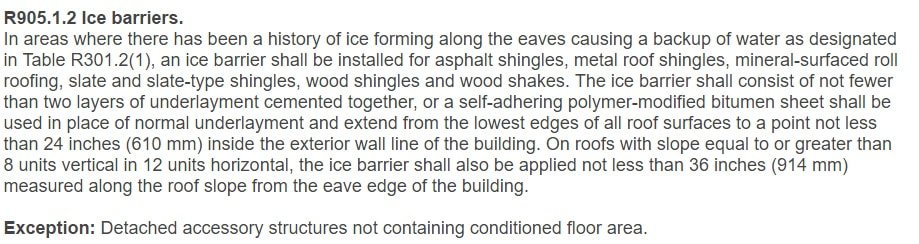
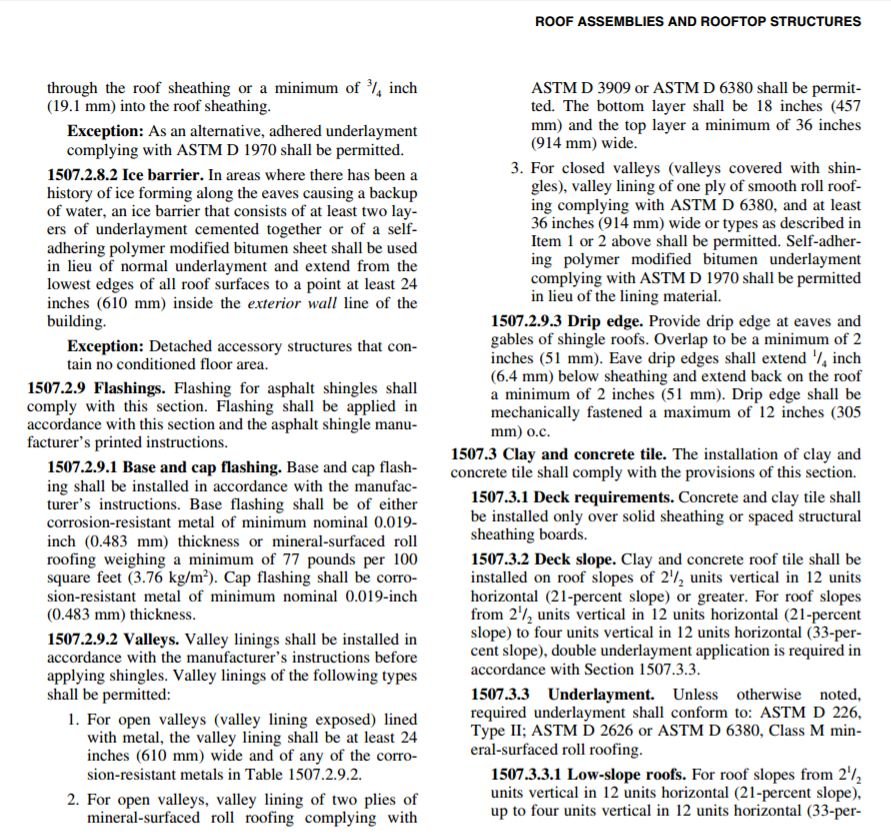
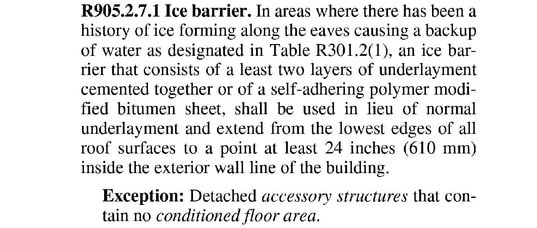
Ice and water barrier
Self-adhered ice and water shield at eaves where required, in valleys and around penetrations, plus proper redecking and solid sheathing per the current code tables.
Ventilation
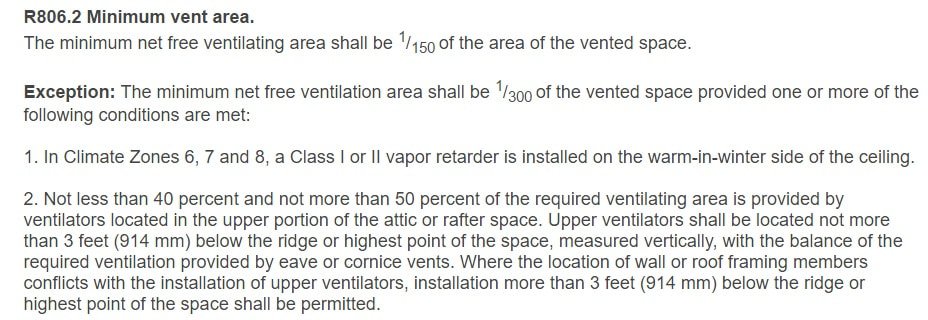
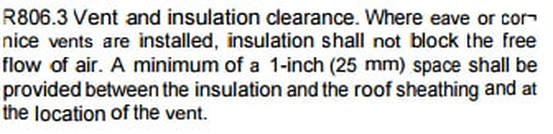
Correct net free ventilation area and minimum venting, with baffles on vaulted ceilings, so the attic breathes the way it is designed to. Ventilation calculator
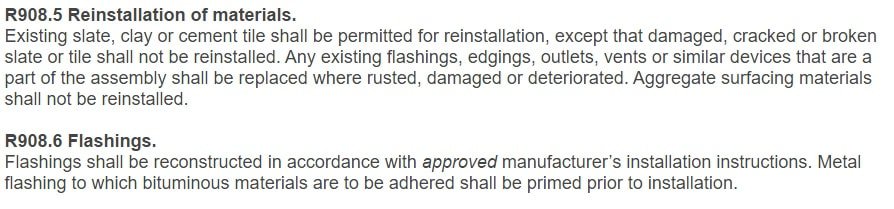
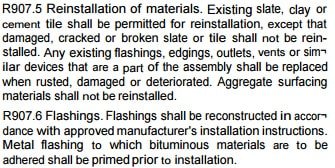
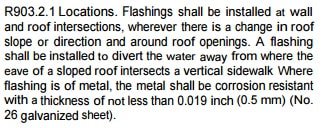
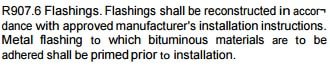
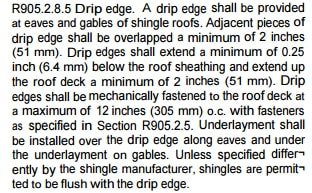
Flashing and drip edge
No reuse of old flashings. Every flashing is replaced to manufacturer specification, and drip edge is installed at every eave and rake.
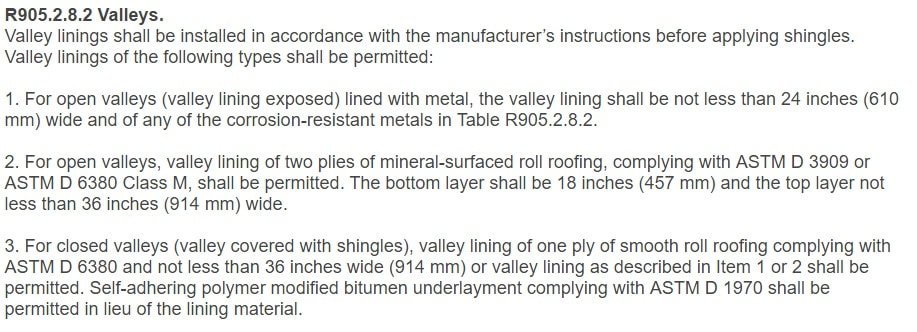
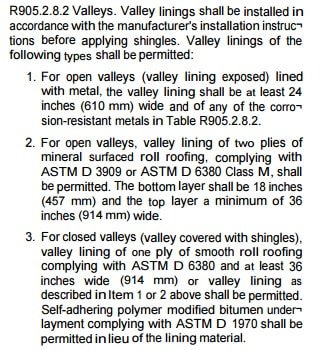
Valleys and crickets
Proper valley lining and flashing, plus code-required crickets on chimneys wider than 30 inches to divert water away from vulnerable areas.
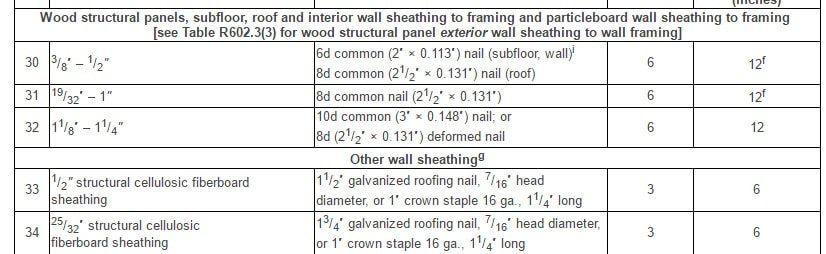
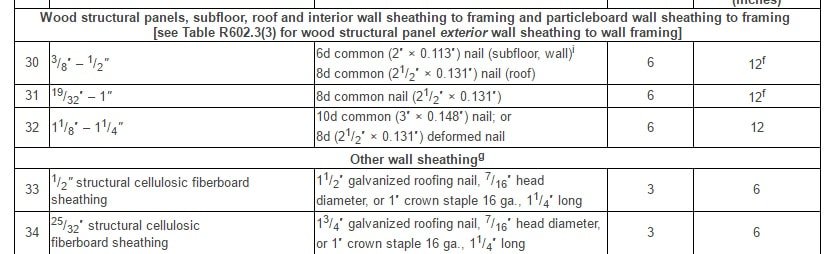
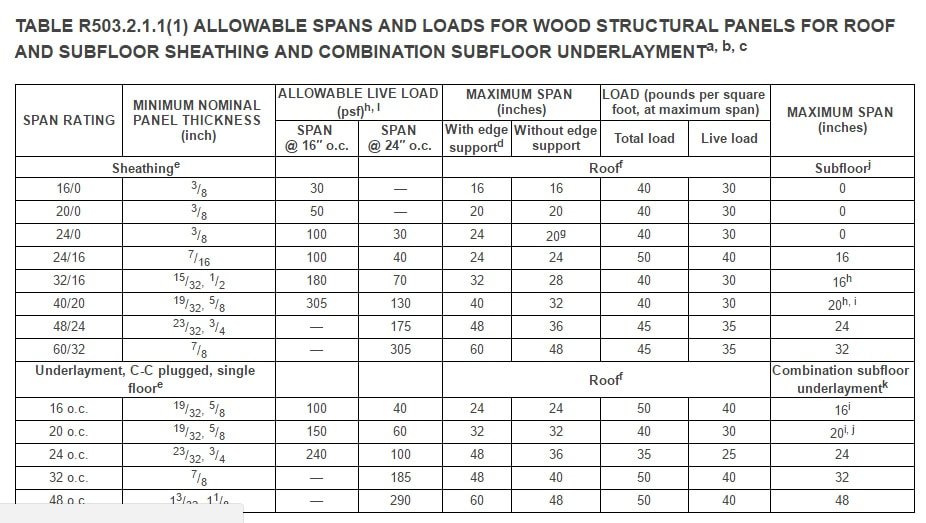
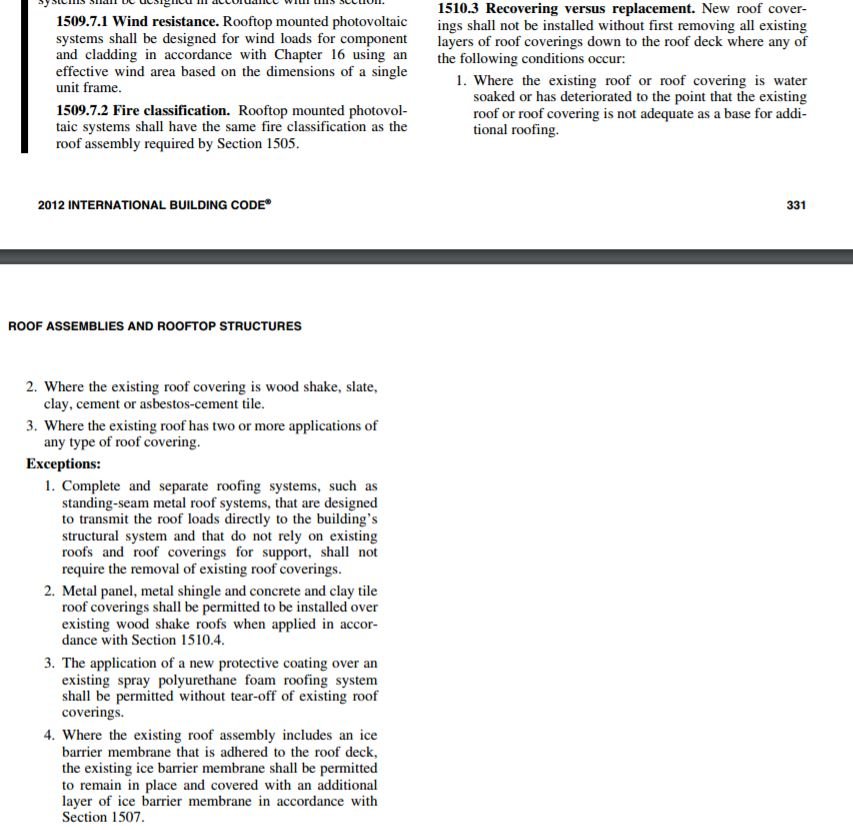
Sheathing and decking
Correct sheathing nailing patterns and solid-sheathed deck requirements, with a clear recover-versus-replace assessment on every project.
Manufacturer standards
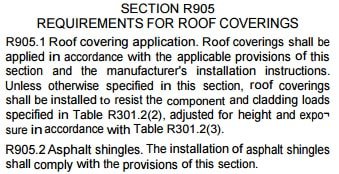
Hip, ridge, starter and field shingles installed exactly to the manufacturer’s published instructions, which is what keeps the warranty valid.
How we apply these on every project is on the roofing codes and standards page. Cities across DFW adopt different code editions; your specialist confirms the edition and local amendments when pulling the permit.
Get a clear next step for your roof.
Schedule a free, no-obligation inspection. You get photos, a written report and an honest recommendation: repair, replace, or leave it alone.